

Music has always played a defining role in shaping the emotional landscape of the world. Long before players understand a zone’s history or storyline, its music communicates tone, memory, and atmosphere. These melodies act as emotional anchors, connecting generations of players to shared experiences and personal moments. Across expansions, certain themes linger in memory like echoes of places once visited — a reminder that the world’s identity is carried as much in its songs as in its stories.
This article explores how music preserves emotional history, how forgotten themes still shape the world, and why the “lost songs” of the past continue to resonate through new eras.
The Emotional Memory Held Within Musical Themes
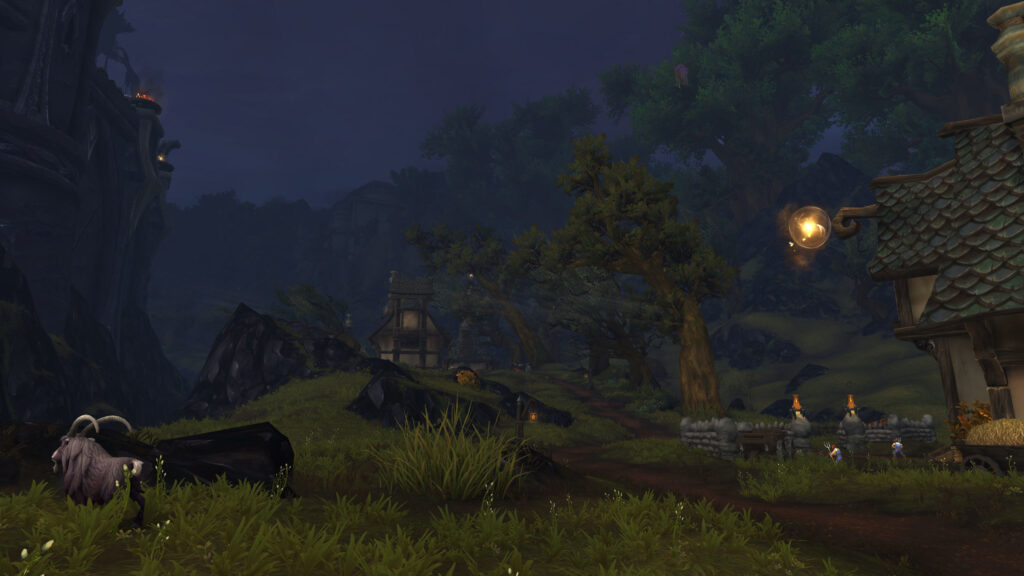
Every region in the world has its own soundscape. These tracks serve as emotional shortcuts, instantly transporting players back to their earliest moments in the game. The gentle strings of Elwynn Forest, the somber tones of Icecrown, the warm percussion of Pandaria — each piece carries memories of adventures, victories, and moments of quiet exploration. Music binds emotion to place, giving the world a sense of continuity even as expansions reshape the landscape.
Memory thrives in melody, allowing the past to remain alive.
Lost Songs That Still Echo Through New Worlds
Some musical themes may no longer be heard frequently, but they continue to shape emotional identity. These “lost songs” — older zone tracks, unused themes, or expansion motifs now buried in the archives — inform how players perceive the world. Even when new zones bring updated soundscapes, echoes of past compositions subtly influence musical language, ensuring that the world maintains a recognizable emotional signature.
To highlight how past themes persist, here is a simple breakdown of musical continuity:
- Melodic callbacks: Subtle references to older themes in new expansions
- Instrument reuse: Familiar instruments tied to certain civilizations or moods
- Harmonic echoes: Chord progressions that evoke earlier emotional tones
- Ambient consistency: Soundscapes maintaining expansion-defining identities
- Thematic inheritance: New zones building upon cultural motifs from older regions
The Role of Music in Environmental Storytelling
Music often tells a story before quests do. A quiet string section hints at safety; heavy percussion signals danger; wind-filled pads evoke mystery. These distinctions help players interpret the world emotionally before any dialogue or text appears. The result is environmental storytelling that evolves organically, turning exploration into a narrative experience shaped by sound as much as sight.
Music makes places feel alive because it expresses their emotional truth.
Composers as Keepers of Cultural Memory
The composers who shape the soundtrack act as cultural archivists. Their work preserves the emotional identity of each region, civilization, and conflict. By blending familiar themes with fresh musical ideas, they nurture a sense of continuity across expansions. This approach ensures that the world feels connected across eras, even when players step into entirely new continents or cosmic realms.
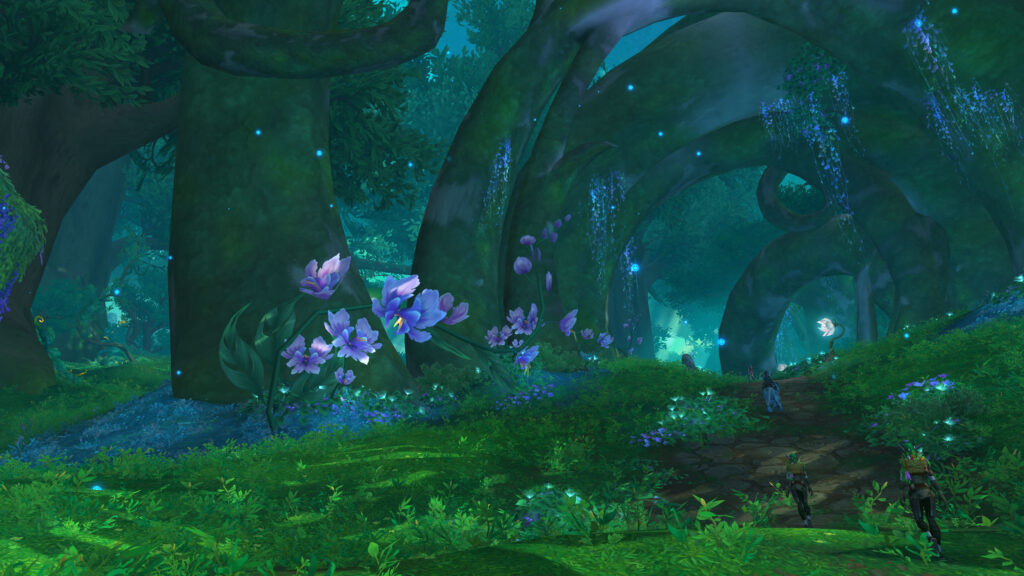
The composers carry the world’s soul through melody.
Why Music Remains Central to the World’s Identity
Music endures because it forms an emotional bond between players and the world. It creates nostalgia, reinforces cultural depth, and shapes the tone of every major story moment. Even expansions with dramatically different themes still feel connected through musical lineage. The lost songs never truly disappear — they remain in memory, shaping the world’s emotional identity through every new adventure.
The world’s story is never complete without its music.
Conclusion
The lost songs of Azeroth continue to shape the emotional identity of the world through memory, melody, and cultural continuity. These themes preserve the essence of regions, guide emotional storytelling, and bind players to the experiences they cherish. Music remains the heartbeat of the world — a reminder that the world’s identity is carried not just in its stories, but in the songs that echo through every era.